International Business Potential of Makkuse and Export Opportunities of Nepali Sweets with Global Comparison to Baklava

Aakshya Kandel & Umanga Kunwar
Sweets (mithai) are deeply ingrained in Nepalese culture since they play a significant role in festivities and customs. Mithai is utilized in Nepal during religious rites, weddings, birthdays, and holidays like Tihar and Dashain. It represents joy, generosity, and sharing. Nepali mithai reflects the nation's diverse cultural heritage by including both regional specialties and influences from nearby cuisines.
Based in Kathmandu, Makkuse is a high-end Nepali dessert brand that creates contemporary luxury culinary items using traditional Nepali candies. Anushka Shrestha, a former Miss Nepal World 2019, launched the company in 2020 intending to preserve Nepali cuisine while giving it a worldwide identity. The concept for Makkuse originated from a straightforward observation that traditional Nepali sweets, such as gundpak and pustakari, were gradually losing their contemporary appeal and were not being presented in a way that could compete in global markets.
Her goal was to reimagine these candies as cultural experiences that might be disseminated around the world, rather than just as food. Makkusé focuses on products such as gundpak, pustakari, and fusion desserts like mocha gundpak and chocolate-infused cookies. According to official brand information, all products are made using khuwa (a slowly reduced milk cooked over long hours), giving the sweets a rich and traditional taste rooted in Newari culture.
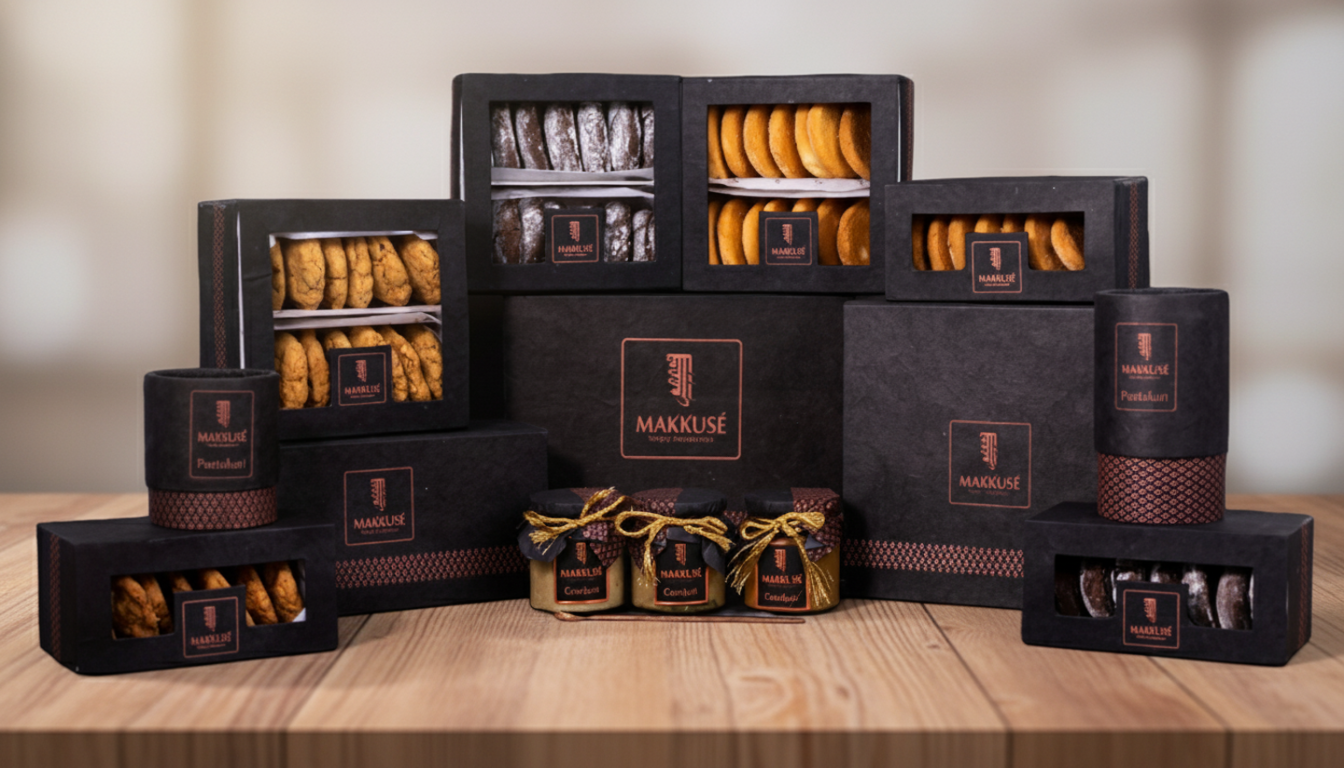
The brand emphasizes authenticity and heritage, stating that each product carries the warmth and soul of Nepal and is inspired by recipes passed down through generations. The key part of Makkuse’s identity is its packaging system. The luxury gift-box packaging, glass jars, and eco-friendly materials such as paper wraps and Lokta paper boxes are used by the brand. The packaging is designed not only for protection but also to create a premium gifting experience. There is a careful design of each box with the modern aesthetics combined with traditional Nepali artistic elements.
This approach allows Makkuse to position its sweets as luxury gifts rather than everyday consumables. According to a case study on packaging strategies, Makkuse focuses heavily on presentation, customization, and sustainable materials, making packaging one of its strongest competitive advantages. The Nepali sweets industry is still largely unorganized and dominated by small local shops that focus on daily consumption rather than branding or export readiness. Traditional sweets such as laddu, barfi, sel-roti, gundpak, and jalebi are widely available in Nepal, but most of them are produced in small-scale kitchens without standardized packaging or long shelf-life preservation methods.
In contrast, Makkuse represents a shift towards the premiumization of Nepali sweets. It targets urban consumers, tourists, and especially the Nepalese living abroad. The brand has positioned itself in the luxury gifting segment, where products are not only consumed but also given as gifts during festivals, weddings, and corporate events. However, the overall market size for processed sweets exported from Nepal remains extremely small. Nepal's exports of sugar confectionery items have been very limited, according to international trade data (UN COMTRADE). In 2022, shipments were estimated to be around USD 845,000, and depending on classification, they were even lower at around USD 131,000. This demonstrates that the majority of sweets are still consumed domestically and that Nepal has not yet established a robust confectionery export business.
This gap between domestic tradition and global opportunity creates space for brands like Makkuse to become pioneers in building Nepal’s sweet export identity. The fusion of the authentic cultural heritage with the epicurean appeal can help the Makkuse to differentiate itself from standard exports and shift from commodity pricing to the Premium Himalayan Luxury brand. The storytelling of its artisanal, Khuwa, and eco-friendly packaging helps Makkuse in a global market. When comparing Makkuse with globally successful traditional sweets such as Turkish baklava, an important lesson emerges about how cultural foods become international products.
Baklava, a layered pastry made with nuts and syrup, originated in the Ottoman Empire and is now one of the most globally recognized desserts. Its success comes not only from taste but also from industrial production, standardized recipes, strong branding, and global distribution networks. Makkusé and baklava share similarities in cultural depth and traditional roots, but they differ significantly in scale and global reach. Baklava has become a globally exported product worth hundreds of millions of dollars annually, supported by Turkey’s strong food export industry. It is available in supermarkets, restaurants, and luxury dessert stores worldwide. In contrast, Makkusé operates in a premium niche market and is still in its infancy.
Because Nepali sweets like gundpak and pustakari are distinctive and less widely marketed than baklava or Indian mithai, their authenticity is one of their greatest advantages. Makkuse has a significant competitive edge in terms of cultural authenticity because of its distinctiveness. Nepali candies are still constrained by their short shelf life, lack of industrial production, and lack of international distribution networks compared to baklava. In simple terms, baklava succeeded because it combined tradition with industrial scale, while Makkuse represents the early stage of that same journey for Nepali sweets. The international market for ethnic and traditional foods is growing rapidly. Consumers in countries like the United States, the United Kingdom, Australia, and Gulf nations are increasingly interested in culturally authentic desserts.
This trend is driven by globalization, migration, and the popularity of gourmet gifting products. Makkuse has a high potential in diaspora-driven markets, where Nepali populations actively seek traditional flavors during festivals like Dashain and Tihar. Furthermore, in luxury gift markets, where presentation and narrative are more significant than mass production, there is an increasing demand for high-end "exotic" sweets. The global confectionery industry itself is worth hundreds of billions of dollars, and niche ethnic sweets are becoming a fast-growing segment. If Makkuse and similar brands successfully enter international markets, they can position Nepali sweets as Himalayan luxury desserts, similar to Turkish baklava, which are globally recognized. The key opportunity lies not in competing with global chocolate giants, but in occupying a niche space where authenticity, culture, and handmade quality are valued.
Despite strong potential, Nepali sweet brands like Makkuse face several challenges in exporting internationally. First, most Nepali sweets are milk-based and highly perishable, so they spoil quickly and require advanced preservation methods for longdistance shipping. Second, the limited industrial production scale makes it hard to produce large and consistent quantities needed for export markets, as many brands still operate in semi-artisanal ways. Third, strict international regulations are a major barrier.
To export to markets like the USA or Europe, companies must meet standards such as FDA approval, HACCP certification, and other food safety requirements, which many small Nepali businesses are not yet fully prepared for. Fourth, logistics and cost are also difficult because Nepal is landlocked, making international shipping expensive and dependent on transit through other countries.
Finally, branding and global awareness remain weak. While Makkuse is popular in Nepal, it is not widely known internationally, so strong marketing and digital presence are needed to compete in global markets. The government of Nepal can play a very important role in supporting brands like Makkuse to enter global markets. One of the most important contributions is improving export infrastructure, including food testing laboratories, packaging support, and certification systems that meet international standards. Government trade policies can also provide subsidies or tax incentives for small food exporters, making it easier for brands to compete globally. Additionally, traditional culinary items like pustakari and gundpak can be actively promoted by the Nepal Trade Integration Strategy as cultural exports at international trade shows.
Another important role is branding Nepal as a “cultural food destination” in global tourism marketing. If Nepali sweets are promoted alongside tourism, they can gain recognition as part of the Himalayan cultural identity. The government can also support logistics improvements and export facilitation centers to reduce shipping costs and bureaucratic delays. Public-private partnerships can help small brands like Makkuse scale production while maintaining quality standards. Makkusé represents an important shift in Nepal’s food industry, where traditional sweets are being reimagined as premium cultural products with international potential.
The entrepreneurial journey of its founder reflects innovation, cultural pride, and a desire to position Nepali heritage on the global stage. Real trade data shows that Nepal’s confectionery exports are still extremely small, less than one million USD annually, which highlights a major gap between potential and performance. However, global demand for authentic ethnic desserts is increasing rapidly, creating a strong opportunity for growth.
The comparison with baklava clearly shows that success in global sweets markets depends not only on taste but also on branding, industrial scaling, packaging, and international distribution systems. While Nepal is still at an early stage, brands like Makkuse can play a pioneering role in building a global identity for Nepali sweets. If supported by government policy, improved infrastructure, and stronger international branding, Nepali sweets have the potential to become recognized globally as Himalayan luxury desserts, just as baklava represents Turkey and chocolate represents Switzerland.
-1778381013.png)

Sipradi Yatri Unveils Price of New Electric Scooter ‘Yatri P2’
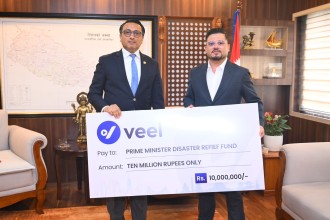
Veel Donates Rs. 1 Crore to Prime Minister’s Disaster Relief Fund
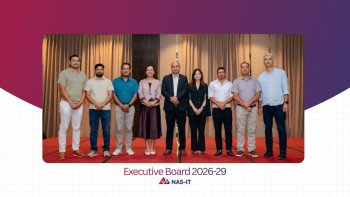
NAS-IT Concludes Fourth AGM, Deepen Chapagain Elected President

NIBL Equity Partners Signs Term Sheet with Incessant Rain Studios for Upcoming Feature Film “Lost in Mandala”

Chaudhary Group Adopts Talent Connects ATS to Streamline Hiring Across 16 Business Verticals

Swiss Ambassador Urges Critical Thinking as AI Fuels Both Facts and Fake News